
our technology
The technology making the search for life possible
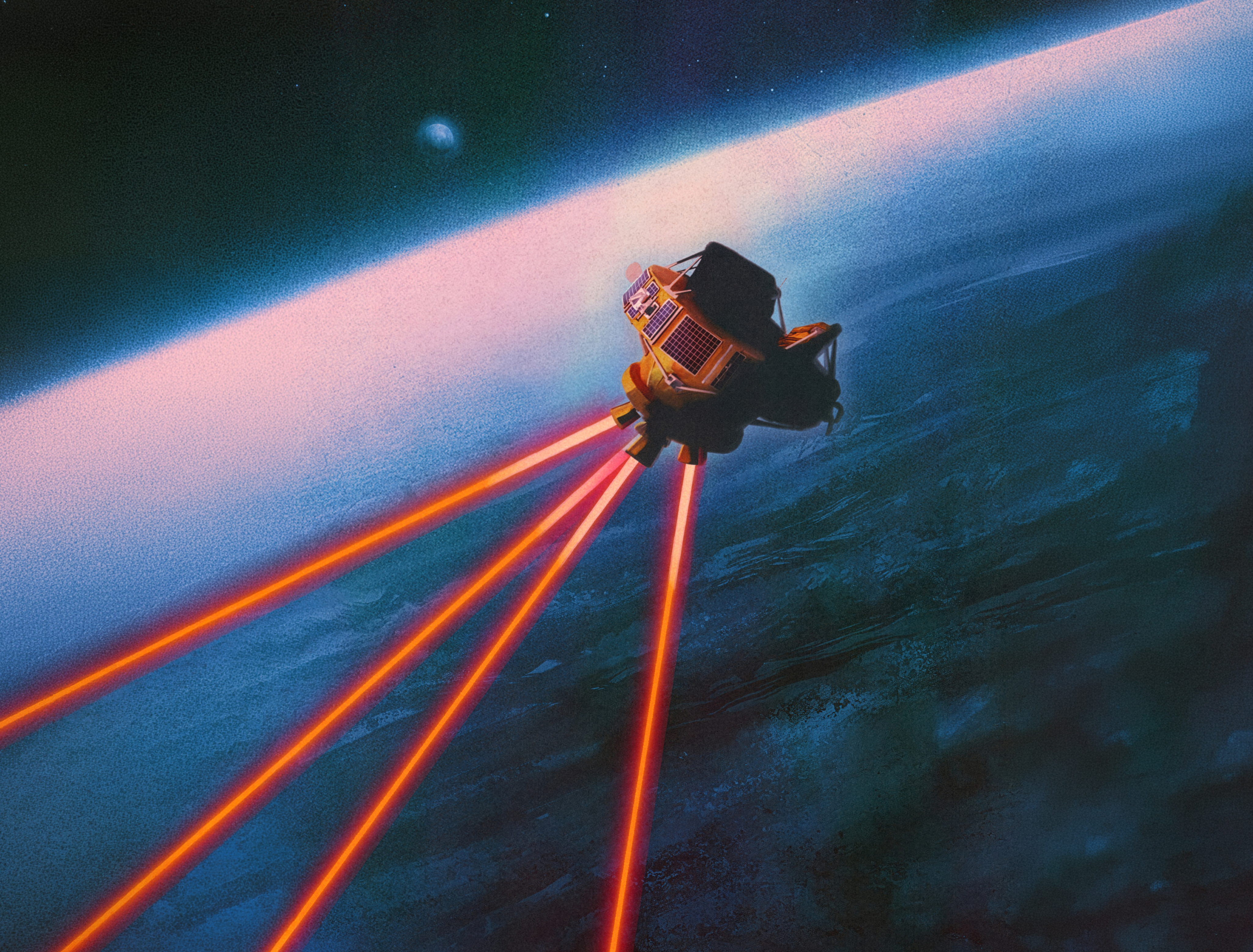
We are developing the technologies LIFE needs to study distant exoplanets and their atmospheres. In the current mission concept, several spacecraft fly in formation and combine their light to act as one large observatory. Using mid-infrared nulling interferometry, LIFE is designed to suppress the bright light of a star and isolate the faint thermal glow of its planets. This will allow scientists to study temperate, rocky worlds and search their atmospheres for molecules that may indicate biological activity.
overview of our technology
Mission concept
LIFE is a proposed space mission designed to directly detect and characterize Earth-like exoplanets beyond our Solar System. Building on earlier concepts such as ESA’s Darwin and NASA’s TPF-I, LIFE benefits from two decades of major discoveries in exoplanet science. Today, we have a far deeper understanding of planetary systems in our galaxy — allowing us to define more robust science goals, mission requirements, and expected scientific return.
To achieve these goals, observations must be made from space, free from the disturbing effects of Earth’s atmosphere. Because potentially habitable planets emit most of their detectable thermal radiation in the mid-infrared, LIFE is designed as a space-based nulling interferometer operating at wavelengths between 4 and 18.5 micrometers.
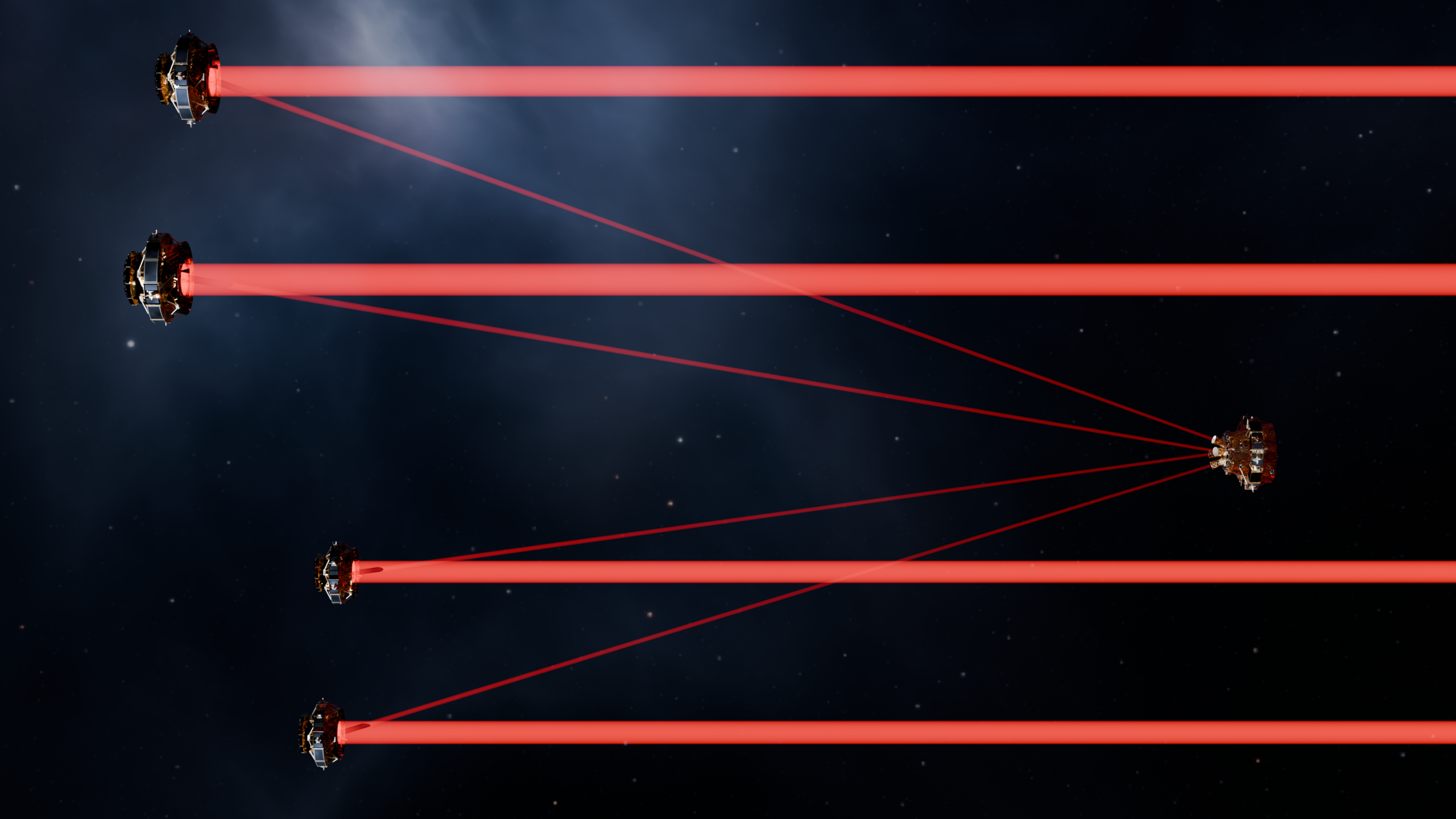
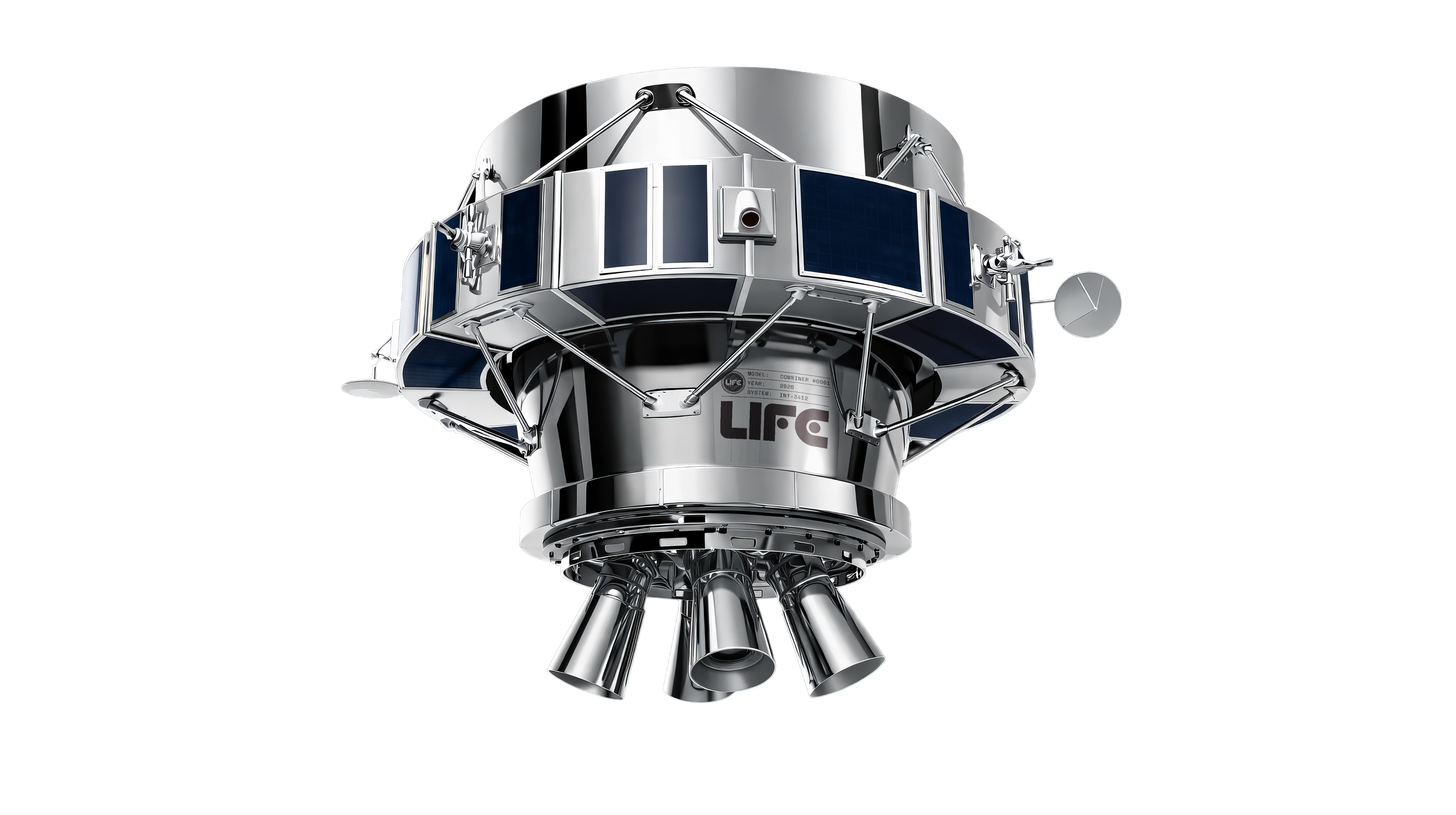
The mission concept consists of four collector spacecraft flying in precise formation, separated by tens to hundreds of meters, together acting as one large virtual telescope. A fifth spacecraft — the combiner — sits at the center of the formation and combines the incoming light with extreme precision.
Using a technique called nulling interferometry, LIFE suppresses the overwhelming light from a host star through destructive interference, while preserving the faint signal from orbiting planets. This enables the direct detection of temperate rocky exoplanets and allows scientists to analyze their atmospheric spectra for molecules linked to habitability and potentially even biological activity.
ongoing technology development
NICE
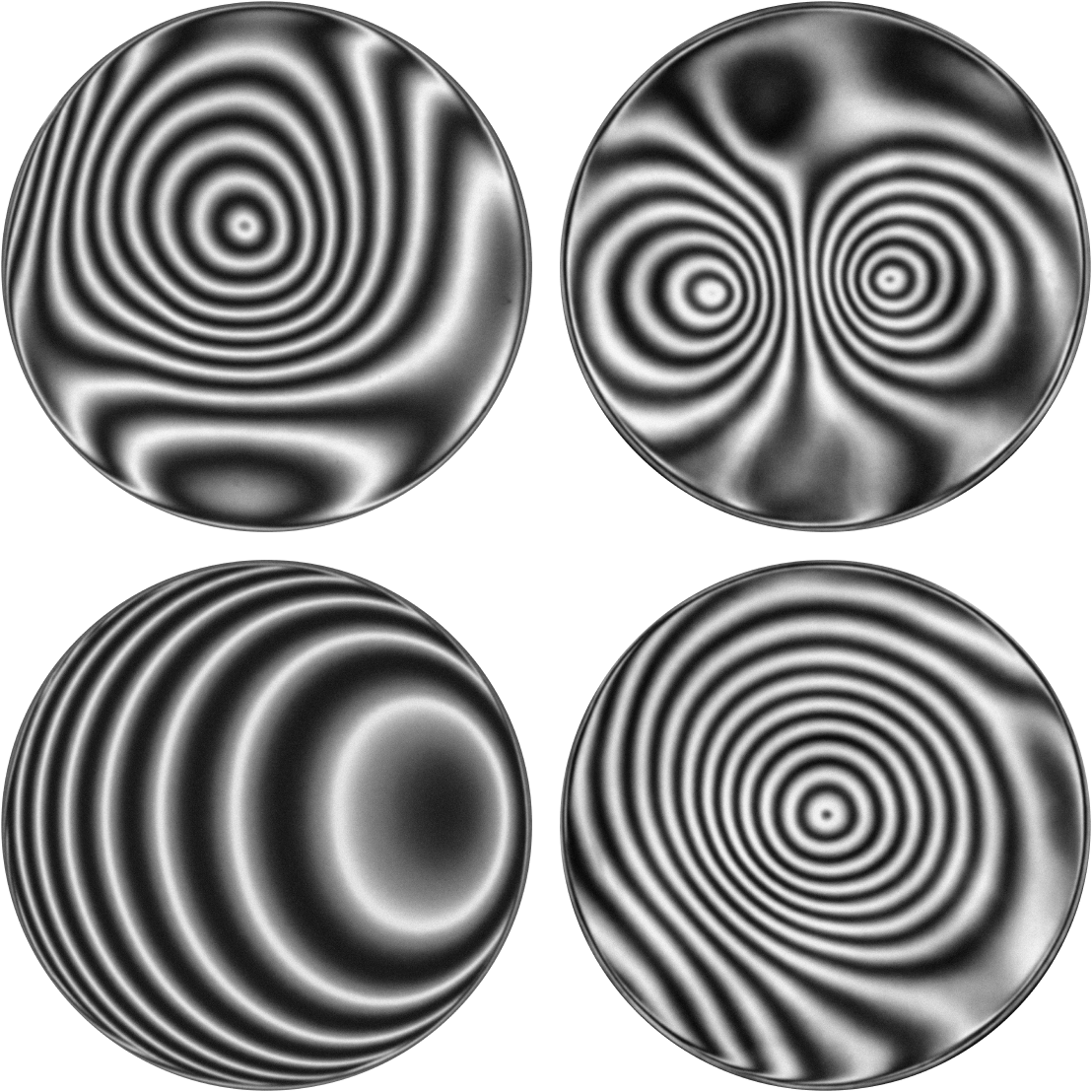
We are developing and implementing NICE – the Nulling Interferometric Cryogenic Experiment for LIFE. The motivation of NICE is to build a lab-based nulling testbed to enhance the technology readiness level of broadband nulling interferometry. The long-term goal of NICE is to demonstrate the required nulling performance of LIFE in terms of starlight suppression and stability under cryogenic conditions and with flux levels similar to those from real astrophysical sources.
Waveguides and integrated optics
In early 2024 we started a collaboration at ETH Zurich to develop waveguides and integrated photonic chips that could replace some of the bulk optics for the mission. Key challenges are the high throughput we require combined with the somewhat large mid-infrared wavelength range.
Detectors
Given the low photon rates expected from distant temperate terrestrial exoplanets, having a low-noise, stable, high-efficiency detector across the LIFE wavelength range is critical. Team members at SRON in the Netherlands started looking into MKIDs for mid-infrared applications and received additional support in 2024 to advance this work.
Piezo-electric DMs
Floris van der Tak (SRON) and Tim Lichtenberg (University of Groningen) have obtained funding for technical and system work for LIFE optics. The project includes detailed optical design work for LIFE, comparison of array configurations, and tolerances on the quality of optical components. Existing work on hysteretic deformable mirrors based on piezo-electric actuators will also be extended and tested at cryogenic temperatures, which is essential for wavefront correction.
Compact Delay Line for Space Interferometry
The “Compact Delay Line for Space Interferometry” project will demonstrate a 5 m delay line that fits within a 2U envelope and can be controlled with nanometer-level precision by piezo-actuated mirrors. Long delay lines can reduce the complexity of formation-flying space interferometers, especially when it comes to the number of satellites in a LIFE precursor mission.
Our technology
Collector
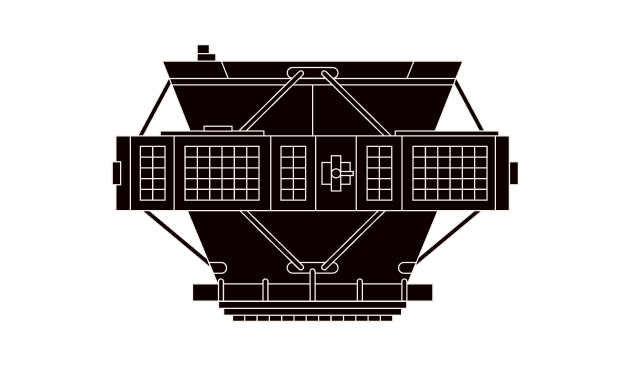
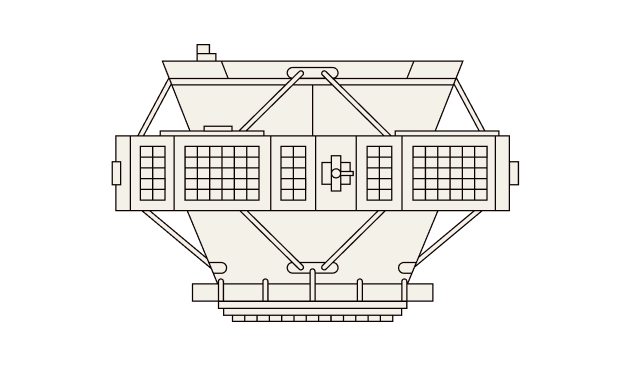
The collector spacecrafts are the primary light-gathering elements of the LIFE interferometer. Each spacecraft captures infrared light from a target stellar system and precisely guides it to the combiner. Rather than acting as independent telescopes, the collectors work together as a coordinated array, maintaining exact relative positions in formation flight. This allows the system to sample light across a large baseline, effectively achieving the resolving power of a telescope of the size of hundreds of meters.
Combiner
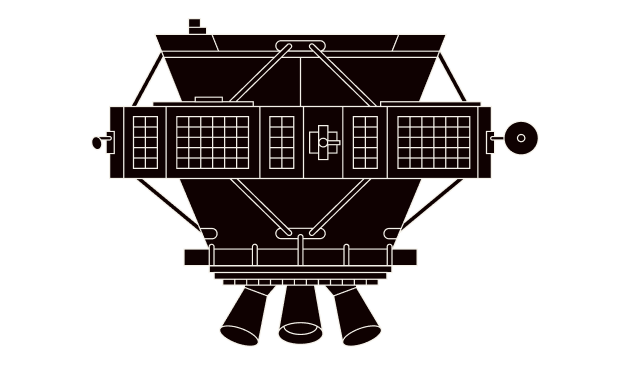
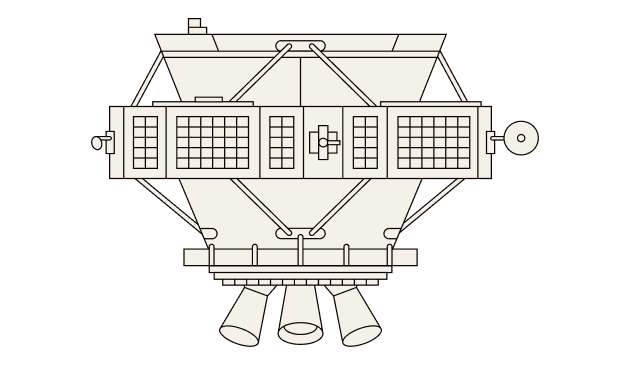
The combiner spacecraft is the central element of the LIFE interferometer, where light from the collector spacecrafts is precisely steered, stabilized, and interferometrically mixed. By adjusting the optical path lengths with extreme accuracy, the combiner enables nulling interferometry—a technique that causes the light from the central star to effectively cancel out. At the same time, light from orbiting exoplanets is preserved and can be detected. This allows LIFE to isolate faint planetary signals and analyze their infrared spectra, providing insights into atmospheric composition and signs of biological activities.