
our science
Reading the atmospheres of distant worlds
LIFE is being developed as a flagship science mission to investigate one of humanity’s most profound questions: are we alone? Our science team is building the case for this search by studying the atmospheres of temperate, rocky exoplanets. In their mid-infrared spectra, researchers will look for molecules—and combinations of molecules—that could be associated with biological activity. Finding a potential biosignature is only the beginning: the team will interpret each signal in the context of the planet, its atmosphere and its host star, using models and simulations to test biological and non-biological explanations.
A survey of worlds around different stars
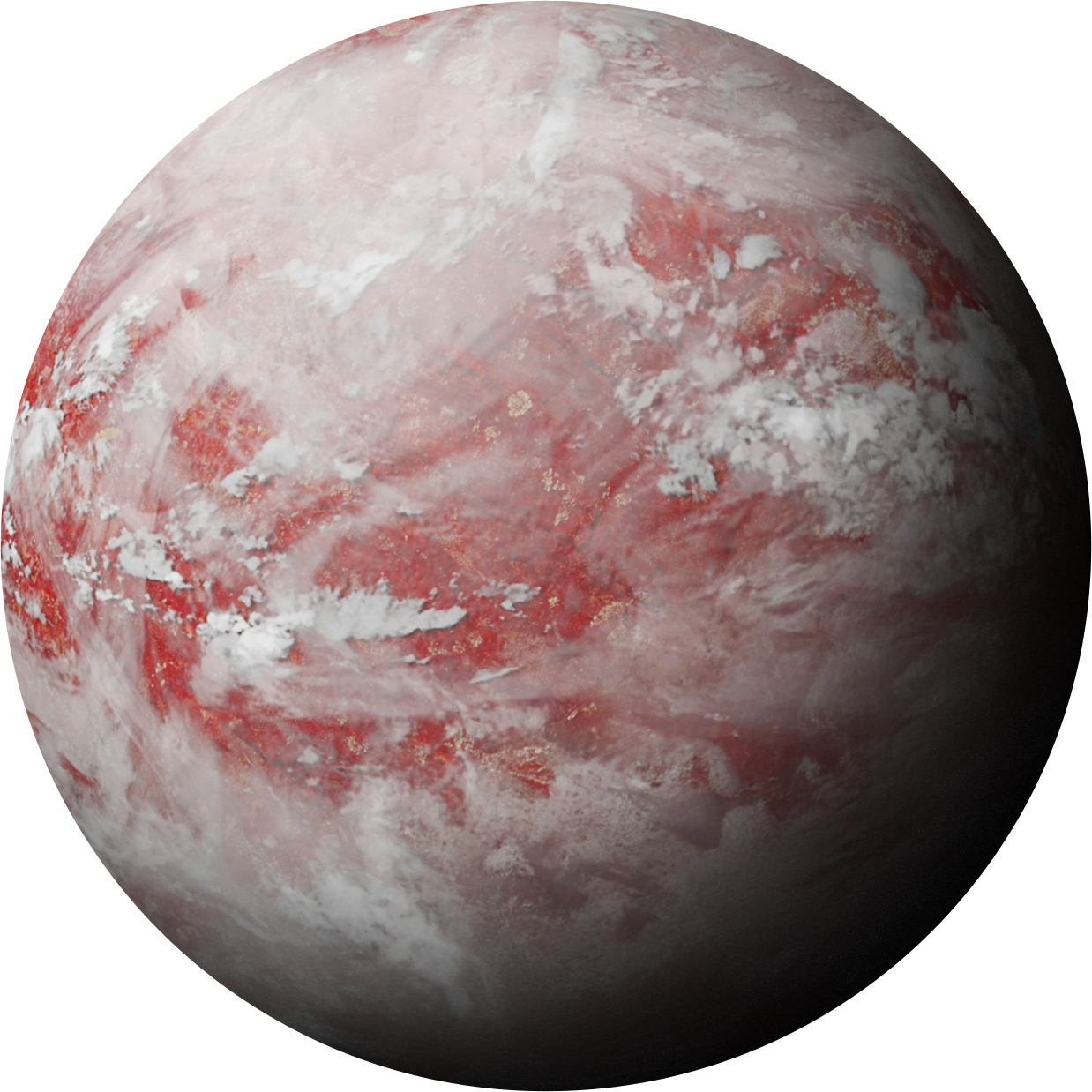
IFE’s science team is developing a programme to characterize the atmospheres of temperate, terrestrial exoplanets across a range of stellar environments—from Sun-like stars to dimmer K- and M-type stars. Current target estimates are:
- 30–50 planets around Sun-like stars (F0–K5)
- 15–25 planets around low-luminosity stars (K6–M3)
- 10–20 planets around very low-luminosity stars (M4–M9)
By comparing these worlds, researchers can build a broader picture of their atmospheric diversity and search for potential biosignatures. Any candidate signal must be interpreted in the context of the planet, its atmosphere and its host star. These ranges reflect the current science case and may be refined as the mission concept develops.


From atmospheric chemistry to possible signs of life
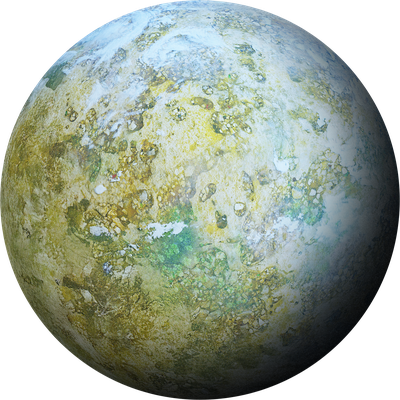
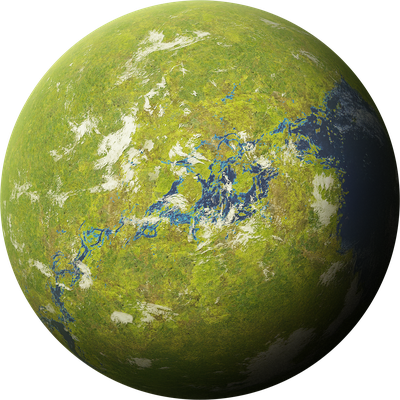
LIFE is designed to search for atmospheric signatures that could be associated with Earth-like life, forms of life unlike those on Earth, and—in an exploratory search—possible technological activity, such as artificial greenhouse gases. A molecule alone would not confirm life. Researchers would assess any potential signal in the context of the planet, its atmosphere and its host star.
What the mid-infrared can reveal
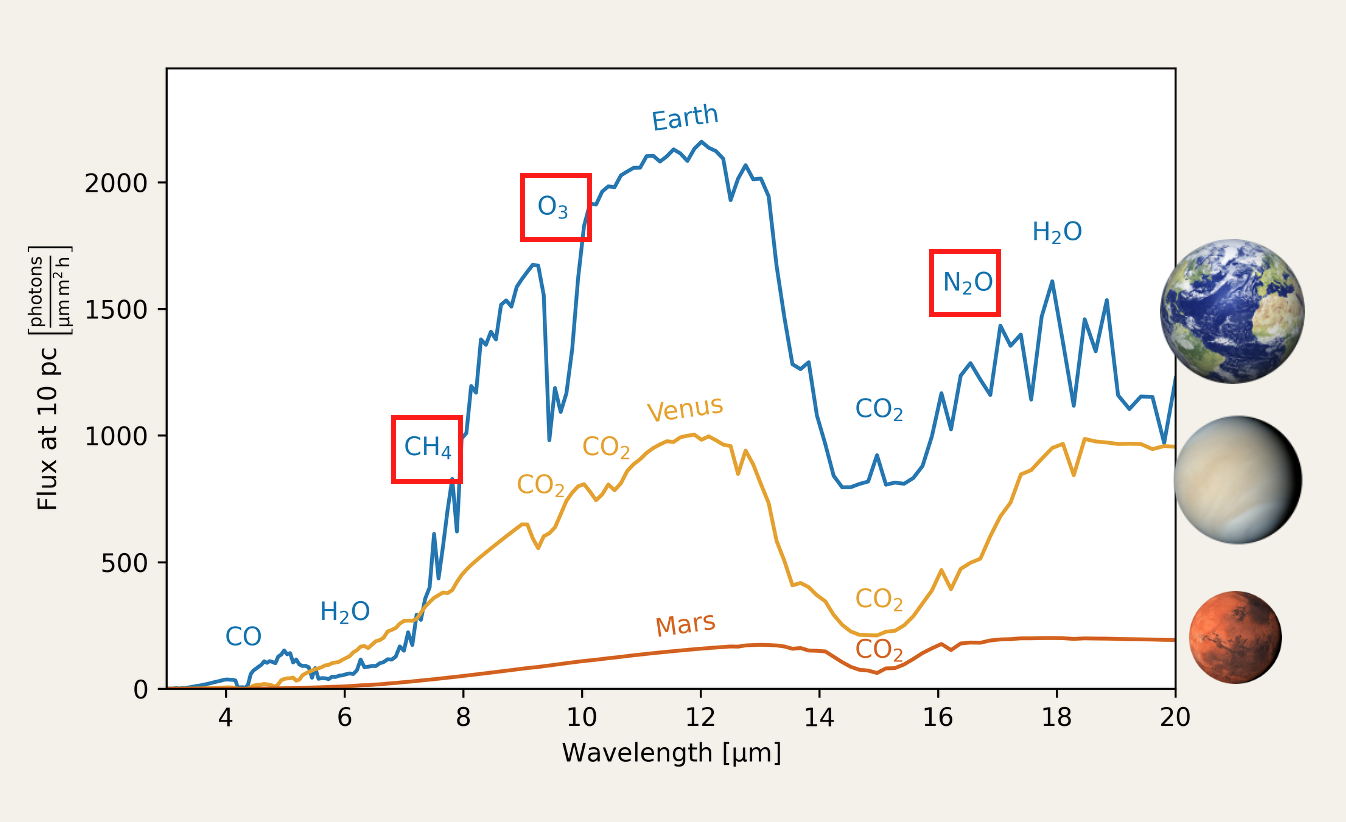
LIFE will study the thermal light emitted by planets across a broad mid-infrared range. The spectra can reveal absorption features from atmospheric molecules such as water vapour, carbon dioxide, ozone and methane. Studying multiple features together can help researchers characterize an atmosphere—including its temperature and pressure—and assess possible biosignatures.
LIFEsim
Simulating observations with LIFE
LIFEsim is a simulation tool we’re developing to explore what LIFE could actually see: which exoplanets, under which conditions, with what sensitivity. It feeds directly into our science case and shapes the mission’s technical requirements.
Good science tools shouldn’t sit behind closed doors. We’re making LIFEsim open source, along with as much of our research as possible.
The current version of the tool, including installation information and documentation, is available here. The corresponding paper, “Large Interferometer for Exoplanets (LIFE): II. Signal simulation, signal extraction and fundamental exoplanet parameter from single epoch observations” (Dannert et al. 2022), is published in Astronomy & Astrophysics (arXiv link).